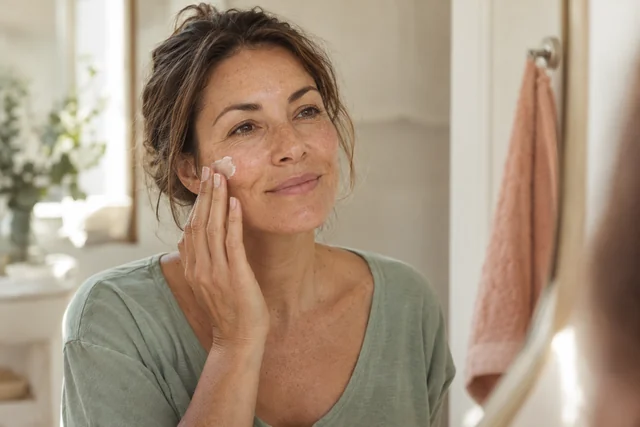
A useful skincare routine begins with a small question: what do you want your next product to do? Perhaps you need a cleanser beside the sink, a comfortable cream after washing, or a light layer that fits between the two. Answering that question is more helpful than choosing an entire collection because the bottles look good together.
APLB organizes many of its products around ingredient combinations. Glutathione and niacinamide appear together across a toner, ampoule serum, facial cream and several other formats. Hyaluronic acid, ceramide and B5 form another direction. The names give you a starting point, but the formula, size and intended use still matter. This guide explains how to turn those choices into a routine that suits your shelf.
1. Take a look at what you already use
Before shopping, set out your current cleanser, moisturizer and daytime sunscreen. Notice which products you use consistently and which remain untouched. A bottle you enjoy using is a better starting point than an elaborate plan you cannot keep up with. If those basics already work for you, a new purchase can address one gap rather than replace everything at once.
Write down the format you are missing. “A light toner after cleansing” is specific enough to guide a choice. “A completely different routine” leaves you comparing too many things at the same time. You can also note the textures you prefer: fluid, gel-like, creamy or lotion-like. Those everyday preferences help narrow a range without requiring you to become an ingredient expert first.
Leave products you do not enjoy out of the plan. Skincare can be simple, and optional steps can stay optional.
2. Understand the job of each step
Cleansing removes what needs washing away. A toner is a fluid leave-on step after cleansing. A serum or ampoule adds another focused layer. A moisturizer provides the cream or lotion stage. In a morning routine, use a separate sunscreen as directed on its label. These roles are more useful than treating every bottle as a substitute for every other bottle.
The selected APLB collection includes a facial cleanser, two toners, two ampoule serums, a facial cream, a body lotion and sheet masks. You can see the order on the routine page. That sequence is a map, not a shopping list. For example, you might use cleanser and cream, or add one toner between them. You do not have to add a serum and a mask simply because those products are available.
Keep prescription treatments and any advice from your clinician in their intended place. A general shopping guide cannot replace directions given for your own skin.

3. Choose the cleanser as a rinse-off product
The Glutathione Niacinamide Facial Cleanser is an 80 ml foaming wash. Its name resembles the serum and cream, but it belongs to a different part of the routine. You lather it, wash and rinse it away. The leave-on products remain on the skin. A familiar ingredient name does not make those formats interchangeable.
Follow the package directions and rinse thoroughly. For long-wearing makeup or water-resistant sunscreen, choose a remover suited to those products when needed, then use your facial wash. Avoid adding vigorous scrubbing merely to make the cleansing step feel more thorough. The aim is a straightforward wash you can repeat comfortably.
When comparing sizes, remember that the cleanser's 80 ml tube and the toner’s 160 ml bottle contain different kinds of products. A larger bottle does not automatically represent a better choice; the amount you use and the purpose of the formula are different too.
4. Decide whether you want a toner
A toner can be a pleasant light layer between washing and moisturizing. It is also a step you can leave out. If your current routine feels complete with cleanser and cream, there is no need to create a problem just to justify another bottle.
The Glutathione Niacinamide Facial Toner lists 2% niacinamide, 0.1% glutathione and 13.1% centella extract. The Hyaluronic Acid Ceramide HA B5 Facial Toner takes a different ingredient direction. Both are fluid toners in 160 ml bottles, so compare their formulas and your preferences rather than assuming you need one from each family.
Introduce one toner first. Apply it according to its directions and notice how it fits with the products that follow. If you are already using several watery layers, consider whether replacing one would be more practical than adding another. There is no required number of toner layers to complete a routine.
5. Find a place for an ampoule serum
An ampoule serum is a leave-on step that commonly sits after cleansing and any toner, before a richer cream. The word “ampoule” does not tell you the concentration of every ingredient or promise a particular result. Read the formula details and the instructions, just as you would for a product called a serum.
The Glutathione Niacinamide Ampoule Serum comes in a 40 ml dropper bottle. Its named blend includes 29.2% centella extract, 2% niacinamide and 0.1% glutathione. Panthenol, glycerin and sodium hyaluronate also appear in its ingredient list. This gives you more useful information than the front-label complex name alone.
Dispense an amount that spreads comfortably and let the layer settle before your next product. Keep the dropper from touching your face where possible. If you want to compare two serums, try them separately rather than starting both on the same day.
6. Read percentages with the right units
APLB labels often show a percentage beside a named complex. That figure can describe several ingredients together. The Glutathione Niacinamide Ampoule Serum’s 31.3% complex, for example, is the combined amount of its listed centella, niacinamide and glutathione components. It does not mean the serum contains 31.3% niacinamide.
The conversion is straightforward: 10,000 parts per million, written ppm, equals 1%. Therefore 20,000 ppm equals 2%, and 1,000 ppm equals 0.1%. Parts per billion, or ppb, use a different scale, so keep the unit attached when you compare labels. Do not copy a number without its unit into a comparison.
A quick label example
29.2% centella extract + 2% niacinamide + 0.1% glutathione = 31.3% combined complex. Each ingredient still has its own concentration.
Read the ingredient guide for the selected formulas. Concentration is one useful detail among several, alongside the complete ingredient list, format and your own experience.
7. Compare similar products fairly
Two niacinamide serums can have different supporting ingredients and textures. APLB’s Glutathione Niacinamide Ampoule Serum combines 2% niacinamide with glutathione and centella. Beauty of Joseon’s Glow Serum pairs 2% niacinamide with propolis extract. The Ordinary’s Niacinamide 10% + Zinc 1% uses a different concentration and ingredient pairing.
That comparison identifies differences; it does not establish a universal winner. A higher percentage alone cannot tell you which bottle you will prefer using. Compare the actual size, the intended use and any ingredients you already know you want to avoid. Keep the current package list as your final reference, because formulas and packaging can change.
Also separate a company’s product description from your own observations. “I prefer how this layers under my moisturizer” is a personal experience. It is not proof that the same formula will suit every other person or deliver a clinical result.
8. Give texture a real place in the decision
A technically interesting ingredient list is only part of choosing a product. The format has to fit the way you use skincare. A toner bottle lets you apply a fluid layer. A dropper serum lets you control a smaller amount. A jar of cream and a pump bottle of body lotion suit different areas and different habits.
Think about when you get ready. If your mornings are brief, you may prefer fewer layers and a clear sequence. If you enjoy an unhurried evening routine, a toner or occasional sheet mask may feel worthwhile. Neither preference requires an elaborate explanation. The useful question is whether the extra step makes your routine easier to enjoy.
Photographs can show packaging and a product’s appearance, but they cannot tell you exactly how it will feel on your skin. Use them to understand the format, then introduce a new product gradually and judge your own comfort.
9. Use the facial cream as the finishing layer
The Glutathione Niacinamide Facial Cream is a 55 ml moisturizer with shea butter, macadamia seed oil and squalane alongside its named ingredients. It lists 2% niacinamide, 0.1% glutathione and 22.7% centella extract. Its role is different from the fluid toner and ampoule serum.
Use clean hands or a clean spatula to take a small amount from the jar, then replace the lid. Spread it after lighter skincare layers, following the current package directions. Start with a comfortable amount rather than assuming that a thick layer is always necessary. You can adjust the amount you use as your preferences and surroundings change.
The facial cream does not list a sun-protection factor. In daytime, keep your separate sunscreen step. A cream can fit a morning routine without being a substitute for sun protection.
10. Keep body care separate from facial care
The Glutathione Niacinamide Body Lotion comes in a 300 ml pump bottle. The name connects it with the facial range, but the formula and intended area are different. It lists 0.1% niacinamide rather than the facial cream’s 2%, and 12.3% centella extract rather than 22.7%. Comparing those details helps avoid assuming the larger bottle is simply the same product in another package.
Use the lotion for body care according to its directions. A practical place for the bottle is wherever you are most likely to remember it after a shower. Keep the pump clean and check how it closes before travel. Small habits like these are often more useful than adding another product you will rarely reach for.
When choosing between the facial cream and body lotion, begin with the intended area. They are separate options for separate parts of your routine.
11. Treat a sheet mask as an optional extra
The selected Glutathione Niacinamide Sheet Mask option contains ten individually packed sheets, each with 25 ml of essence. The mask adds a timed leave-on step after cleansing and toning. It is not a requirement for using the rest of the collection, and you do not need to add it to every routine.
Follow the packet’s timing. The brand’s directions describe leaving the mask on for 10 to 20 minutes, then removing it and gently patting in the remaining essence. Set a timer if you are likely to lose track while reading or watching something. Do not treat the sheet as an overnight mask or keep a used one for another application.
Store unopened packets as directed on the package. When comparing offers, check the number of sheets as well as the size printed on each packet; a single mask and a ten-pack are different purchase options.
12. Introduce changes one at a time
When several products arrive together, it can be tempting to open all of them at once. Starting one at a time makes it easier to notice how each new formula feels and whether it fits your existing routine. Keep the rest of your products consistent while you get to know the new addition.
The American Academy of Dermatology recommends testing a new skincare product on a small area before adding it to a routine. Its guidance describes applying to a test spot twice daily for seven to ten days, using the product as directed, including rinsing off a cleanser. See the linked guidance below for the full method.
If a product causes irritation, stop using it. A persistent concern or a reaction deserves advice from a qualified clinician rather than another experimental layer. You can return to product selection once you have clear guidance about what your skin needs.
13. Make the routine easy to repeat
Keep the products you use together in a simple order. Put the cleanser near the sink and the leave-on steps where you get ready. If a bottle is awkward to reach or hidden behind several others, a complicated routine can become less convenient than you expected.
Check the period-after-opening symbol and any storage directions on each package. Keep lids closed and store products away from unnecessary heat or direct sunlight when the label advises it. A small note of when you opened something can be more useful than trying to remember months later.
When packing for a trip, choose the steps you use consistently and check how each container closes. You do not have to take every optional item. A familiar, compact selection helps keep the routine manageable when the rest of your schedule is different.
14. Review your choice before checking out
Check the product name, selected size and pack count on the purchase page. Similar labels can belong to a toner, serum, cream or body lotion. This is especially important when a collection repeats the same ingredient pair across several formats. Look at the container and the written size together.
Prices marked “Price checked” on this website are recorded amounts for the selected options. They can change. Confirm the final price, availability, seller and delivery options before completing your order. Shopping buttons open a new tab, so you can return to the product guide while comparing the details.
If you later need tracking, a return or order support, open that order in the account used at checkout. Keep your order details and packaging until any issue is resolved. The shopping help page explains the practical next steps.
15. Choose one useful next step
You now have several ways to narrow the collection: the role of the product, its texture, its named ingredients and its size. Pick the question that matters most to you today. If you need a moisturizer, compare the facial cream’s details. If you want a fluid step, look at the two toners. If a dropper format appeals to you, read the ampoule pages.
There is no need to turn every useful detail into another purchase. A routine can remain short while still being deliberate. Choose the next product for the place it will actually have on your shelf, then give yourself time to learn how you like using it.
Explore the selected APLB skincare collection ↗
Further reading
Product information comes from the selected product labels, listings and APLB’s published line brochure. Check your current package for the final ingredient list and instructions.